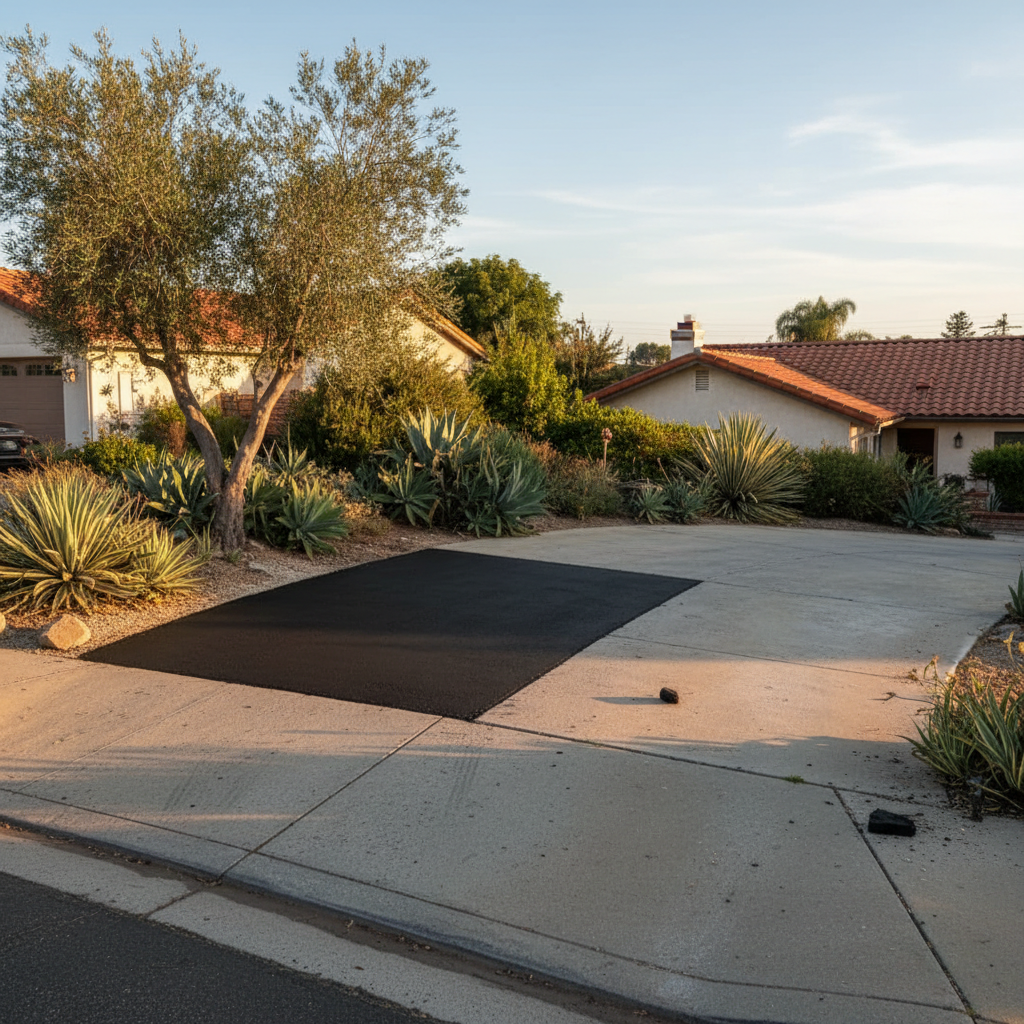
Got cracks or potholes popping up on your asphalt driveway? You're probably thinking about getting them fixed. But when's the best time to do it? It's not just about finding a contractor, you know; the weather actually plays a huge role in how well those patches hold up in the long run.
Why Timing Matters for Asphalt Patching
Look, asphalt isn't like painting a wall inside your house. It's an outdoor job, plain and simple, and the materials we use are pretty sensitive to temperature. If it's too cold, the asphalt mix won't bind together properly. Too hot, and it can be a real pain to work with, plus it won't cure the way it should. It's a bit like Goldilocks, isn't it? You really want it just right.
Here in Hawthorne, we're pretty lucky with our mild weather most of the year. That gives us a good window, but you still need to be smart about when you schedule things.
The Best Times to Patch Your Asphalt in Hawthorne
Generally, I tell folks the sweet spot for asphalt patching is late spring, summer, and early fall. Think about those beautiful Hawthorne days when it's sunny, not too humid, and the temperature is consistently between 50 and 85 degrees Fahrenheit. That's prime time for us.
- Late Spring (April-May): The ground has had a chance to dry out from any winter rains, and the temperatures are steadily climbing. This means the asphalt mix stays pliable, and it cures nice and strong.
- Summer (June-August): This is usually great, but you've got to watch out for those really scorching days, especially if we get a heatwave. If it's pushing 95 degrees or more, we might need to adjust the schedule. Asphalt can get too soft then, making it tough to compact properly. Also, keep an eye out for afternoon thunderstorms — sudden downpours are no good for fresh patches.
- Early Fall (September-October): Still a fantastic time. The days are warm, but the intense summer heat has usually backed off a bit. The ground itself is still warm enough to help with the curing process, which is a big plus.
Why avoid winter? Well, even though our winters aren't brutal, those colder temperatures mean the asphalt mix cools down too fast. It becomes stiff, hard to compact, and just won't bond as well with the existing pavement. Plus, if there's any moisture in the cracks that freezes, it can mess with the adhesion. We've seen it happen, especially in those older parts of Hawthorne where the ground can get pretty saturated after a good rain.
Weather Conditions That Can Halt a Patching Job
When you call us at Alpha Asphalt Hawthorne for a patching job, we're always checking the forecast. Here’s what makes us hit pause:
- Rain: This is a big one. You simply can't lay asphalt on wet surfaces. The patch won't adhere, and you'll end up with a weak repair that fails quickly. Even a light drizzle can be enough to postpone.
- Freezing Temperatures: If the temperature is consistently below 45-50 degrees Fahrenheit, especially overnight, it's just not ideal. The asphalt won't cure correctly, and the patch will be brittle.
- Extreme Heat: Like I mentioned, really high temperatures can make the asphalt too soft. It's harder to get the right compaction, and it can lead to premature rutting or shoving.
- High Winds: Not as common a problem as rain or cold, but strong winds can cool the asphalt mix too quickly, making it difficult to work with.
We'd rather reschedule than do a shoddy job that won't last. It's just not how we operate, honestly.
Protecting Your Investment Year-Round
Once those patches are in, you want them to last, right? Here's how you can help protect your asphalt all year long:
- Regular Cleaning: Keep your driveway clear of debris, dirt, and leaves. These can trap moisture and speed up deterioration. A good sweep now and then does wonders.
- Address Spills Immediately: Oil, gas, and other chemicals are asphalt's enemy. They break down the binder, no good. If you have a leak from your car, clean it up as soon as you can. Use absorbent materials like kitty litter, then scrub with a mild detergent and rinse.
- Control Drainage: Make sure water isn't pooling on your driveway. If you notice puddles, especially after rain, it means your drainage isn't quite right. Water is the biggest destroyer of asphalt over time.
- Limit Heavy Loads: If you're parking heavy RVs or construction equipment, try to spread the load or use designated, reinforced areas.
- Sealcoating: This is your asphalt's sunscreen and raincoat. A fresh sealcoat every 2-3 years protects the surface from UV rays, water penetration, and oxidation. It's a small investment that pays off big in extending your driveway's life.
- Quick Patching of New Damage: Don't let small cracks turn into big potholes. As soon as you see new cracks forming, give us a call. Patching early is always cheaper and more effective than waiting until you have a crater, right?
Taking care of your asphalt driveway isn't rocket science, but it does require a little attention. By understanding the best times for patching and doing some basic maintenance, you'll keep your Hawthorne driveway looking good and functioning safely for years to come. If you've got questions or need a quote, you know who to call.