Alright, Hawthorne homeowners, let's talk about your asphalt. I get a lot of calls and questions about driveways, and it's usually about repairs. You want to know what's going on, what it'll take to fix it, and if it's even worth it. Totally fair, right? I'm not here to sell you something you don't need; I'm here to give you the straight scoop. So, let's dive into some of the most common questions I get about asphalt repair.
What's causing these cracks and potholes in my driveway?
This is probably the number one question, and it's a good one. There are a few usual suspects when it comes to asphalt damage. First off, you've got the sun. We get a lot of it here in Southern California, and those UV rays break down the asphalt's binder, making it brittle and less flexible over time. That's called oxidation, and it leads to fading and cracking.
Then there's water. It's the enemy of asphalt, really. Once water gets into a tiny crack, it starts eroding the base underneath. If we ever get a cold snap and that water freezes, it expands and makes the crack even bigger. Heavy vehicles, even just your family cars driving over the same spots day after day, put stress on the pavement and can cause cracks or rutting. Sometimes, it's even about the ground underneath. If the sub-base wasn't prepped right, or if you've got some of that clay-heavy soil we see in parts of Hawthorne, it can shift and cause problems from below.
How do I know if I need a repair or a full replacement?
This is where it gets tricky, and honestly, you need a pro to really tell you. But I can give you some general guidelines. If you've got isolated cracks that aren't too wide (say, less than half an inch) or a few small potholes, a repair is usually the way to go. We can clean out the crack, fill it with the right material, and often extend the life of your driveway significantly.
Now, if you're seeing widespread damage, like a lot of interconnected cracks that look like alligator skin (we call that 'alligator cracking'), or if your driveway is riddled with deep potholes and soft spots, that's usually a sign the base underneath has failed. At that point, repairs are just a band-aid. You'll keep fixing one spot only for another to pop up. When the structural integrity is compromised like that, a full replacement is often the smarter, more cost-effective long-term solution.
What kind of asphalt repairs are even possible?
There are a few common repair methods we use, depending on the damage:
- Crack Filling: For those smaller cracks, we clean them out thoroughly, removing any debris or weeds, and then fill them with a specialized sealant. This stops water from getting in and making things worse.
- Pothole Patching: For potholes, we clean out the hole, square up the edges, and then fill it with new asphalt mix, compacting it down. Sometimes we use a cold patch for quick fixes, but a hot patch is usually more durable.
- Asphalt Patching (Cut and Patch): For larger damaged areas, or sections with alligator cracking, we'll cut out the bad asphalt, remove it, address any issues with the base, and then lay down new hot asphalt. This is a more extensive repair but can save a driveway that's still got a good base overall.
How long do these repairs actually last?
That's a fair question, and the honest answer is: it depends. A good repair, done right, can significantly extend the life of your asphalt. But it's not going to make it brand new again. The lifespan of a repair depends on the type of repair, the condition of the underlying base, how well the drainage is, and how much traffic it sees. If the base is solid, a well-done patch or crack fill can hold up for several years. If the base is weak, even the best repair might not last as long as you'd hope because the underlying problem hasn't been fully addressed.
Will the repaired areas look different from the rest of my driveway?
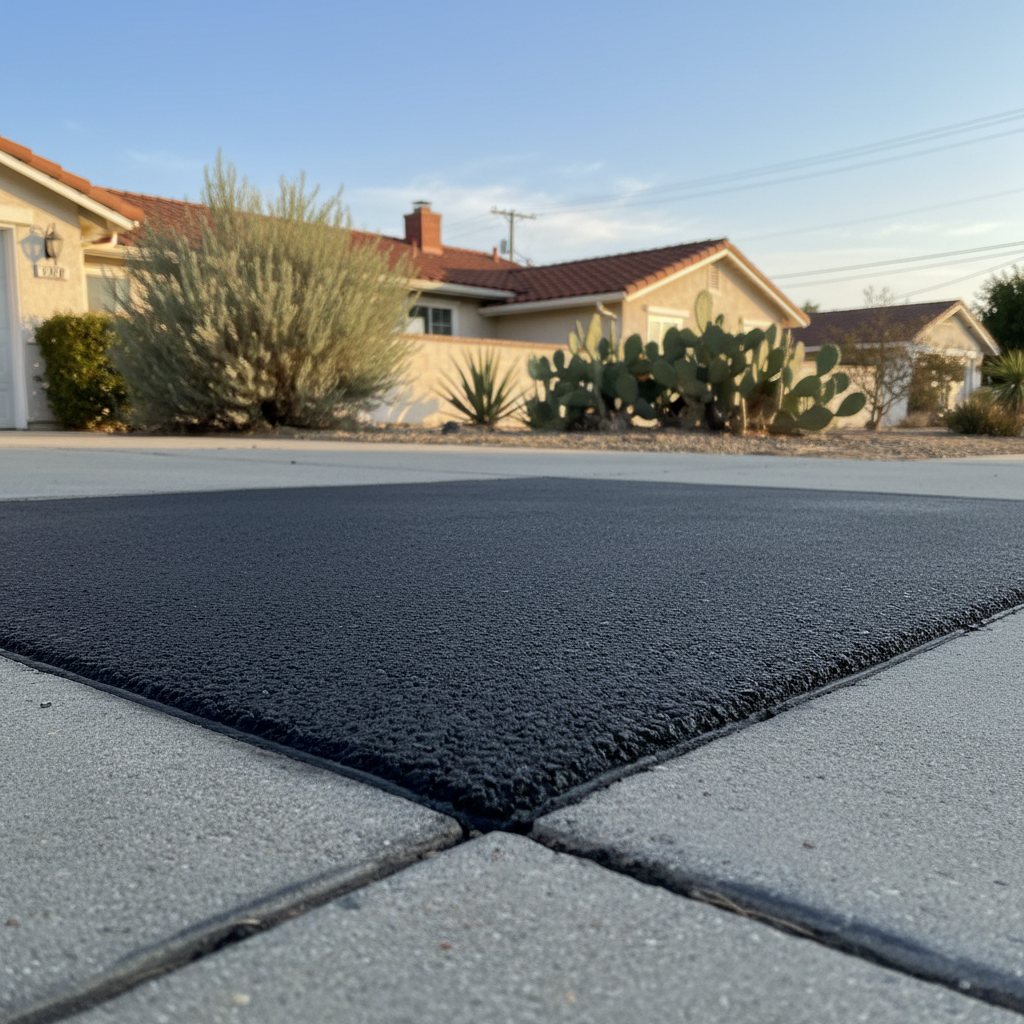
Yeah, probably at first. When we put down fresh asphalt or crack filler, it's going to be a darker black than your existing, weathered asphalt. Over time, with sun exposure and general wear, the new material will start to blend in and fade to a similar color. It won't be an instant match, but it'll get pretty close. If a perfectly uniform look is your top priority, especially for aesthetic reasons, a full resurfacing or replacement is really the only way to achieve that.
What's the typical cost for asphalt repairs in Hawthorne?
Costs can vary a lot based on the type and extent of the damage. For small crack filling, you might be looking at around $1 to $3 per linear foot. Pothole patching can range from $100 to $400 per hole, but many contractors, including Alpha Asphalt Hawthorne, have a minimum service fee, which can be anywhere from $100 to $250 just to get the crew and equipment out there. For larger patching jobs, where we're cutting out sections, it could be $2 to $5 per square foot. My advice? If you have a few small issues, try to bundle them into one visit to make that minimum charge more worthwhile. But really, the best way to get an accurate cost is to have us come out and take a look. We'll give you a clear, no-nonsense estimate.
How often should I be checking my asphalt for damage?
You should be giving your asphalt a good once-over at least once a year. I'd say spring is a great time to do it, after any winter rains we might get. Look for new cracks, especially along the edges, any soft spots, or areas where water is pooling. The sooner you catch a small crack or a developing pothole, the easier and cheaper it is to fix. Ignoring small issues is how they turn into big, expensive problems. Keeping the surface clean also helps you spot problems early.