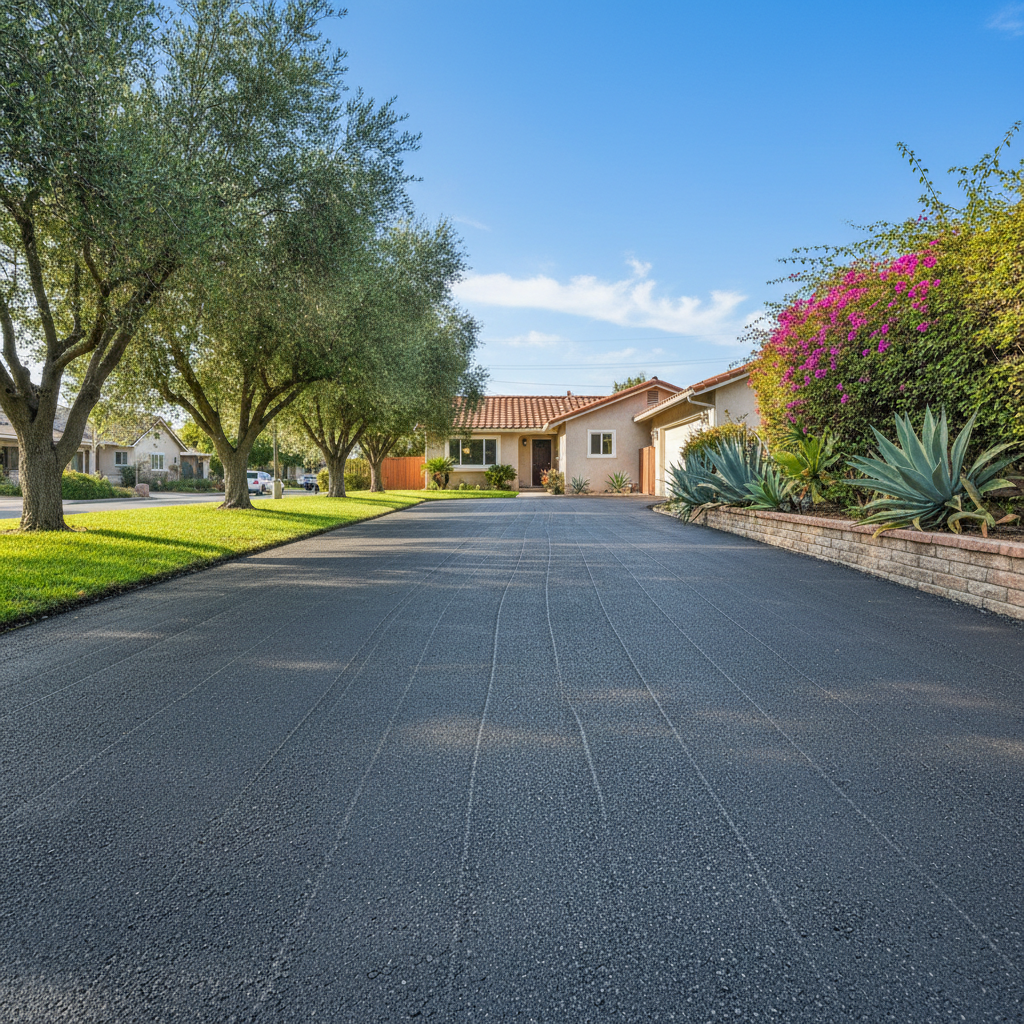
Alright, let's talk about asphalt milling. You've made a smart choice for your property, whether it's your driveway or a parking lot. Milling isn't just a quick fix, you know; it's a way to reset your asphalt surface, get rid of those old cracks and ruts, and lay down a fresh, strong layer without tearing everything up. But here's the deal: that fresh surface still needs some attention to truly last. Especially here in Hawthorne, where our weather can really put pavement to the test.
I've been in this business a long time, and I've seen good milling jobs go bad way too fast because folks didn't keep up with the maintenance. You wouldn't buy a new car and never change the oil, right? It's the same idea for your asphalt. Let's get into how you can protect your investment.
How to Make Your Milled Asphalt Last Longer
The good news is, a well-done milling and overlay can last 20-30 years or even more with the right care. That's a solid return on your investment, if you ask me. Here's what you need to focus on:
- Keep it Clean: Sounds simple, right? But dirt, leaves, and other junk can trap moisture against your asphalt. That moisture, it's the enemy, slowly breaking down the binder in the asphalt. Sweep or blow off your paved areas regularly, especially after a windy day or a storm. If you get oil or fuel spills, clean them up immediately. Those chemicals can soften and damage the asphalt, believe it or not.
- Guard the Edges: One common spot for trouble is along the edges of your milled asphalt. They can loosen and spread out over time. Think about putting in some simple edging – landscape timbers, stone borders, or even metal strips – to help keep everything tidy and stable.
- Control Weeds: Weeds and plants can be surprisingly destructive. They'll find their way through small cracks and along the edges, and their roots can cause bigger problems. While compacted millings are better than gravel at resisting weeds, you still need to keep an eye out. Pull them out or use a weed killer as needed.
- Manage Heavy Loads: Your asphalt can handle regular vehicle traffic, no problem. But extremely heavy loads, like construction equipment or loaded trailers, can cause ruts or depressions. If you absolutely have to park heavy vehicles, try to rotate their position or reinforce those areas with fresh millings and extra compaction.
- Sealcoating (Eventually): While milling gives you a fresh surface, a sealcoat or rejuvenator every few years can really help. It restores flexibility to the binder and protects against the relentless California sun. Here in Hawthorne, we get a lot of sun exposure year-round, which speeds up oxidation and makes asphalt brittle. A sealcoat shields against UV damage and water, extending the life of your pavement.
Regular Maintenance: What It Looks Like
Think of regular maintenance as your first line of defense. It's about being proactive, not just reacting to problems. You want to catch small issues before they become big, expensive headaches.
- Quarterly Inspections: Walk your property at least once every three months. Look for any hairline cracks, areas that look dry or faded, or early signs of raveling (that's when the surface starts to crumble and expose the aggregate).
- Crack Filling: This is huge, especially before our rainy season hits. Even tiny cracks let water seep into the base layers, which can undermine the whole structure. Fill those cracks promptly to prevent water from getting in.
- Drainage Checks: Good drainage is absolutely critical in Southern California. We might not get a ton of rain, but when we do, it can be intense. Make sure water is flowing away from your asphalt, not pooling on it. Clear out any clogged gutters, culverts, or storm drains. Pooling water is a major cause of asphalt deterioration.
- Re-compaction (for some milled surfaces): If your milled surface isn't topped with a fresh asphalt overlay and is just the compacted millings, you might notice some loose areas, ruts, or soft edges over time. Renting a roller or plate compactor to re-compact the surface can help restore stability.
Warning Signs of Problems
Your asphalt will tell you when it's hurting, if you know what to look for. Don't ignore these signals:
- Pooling Water: If you see puddles that stick around long after the rain stops, that's a clear sign of a drainage issue or an uneven surface. This weakens the asphalt and leads to damage.
- Cracks That Keep Coming Back: Small cracks are one thing, but if you're constantly patching and new cracks keep appearing in the same spots, or they're spreading and connecting like an alligator's skin, that means deeper problems. Water is likely getting into the base and weakening it.
- Uneven Surfaces, Ruts, or Depressions: A rough, bumpy, or wavy surface, or noticeable ruts where tires travel, indicates the asphalt is weakening or shifting. These can trap water and make driving hazardous.
- Raveling: This is when the asphalt surface starts to look rough and coarse, and you see loose aggregate (small stones) coming out. It means the binder is breaking down, and the pavement is losing its protective layer.
- Potholes: This one's obvious. Potholes mean water has gotten into cracks, frozen (not often here in Hawthorne, but it happens in colder climates) and expanded, or simply eroded the base, causing the surface to collapse. Address them quickly before they get bigger.
- Fading or Discoloration: If your asphalt looks gray instead of black, it's likely suffering from UV damage and oxidation. This makes the asphalt brittle and more prone to cracking.
When to Call a Professional
Sometimes, a DIY fix just won't cut it. Knowing when to bring in the pros can save you a lot of money and frustration in the long run. Here's when you should pick up the phone:
- Deep Ruts or Large Potholes: Small cracks you can seal, but if you've got deep ruts, large potholes, or uneven areas that are more than just surface deep, you need a professional to take a look.
- Persistent Drainage Issues: If you've tried to improve drainage and water is still pooling, there might be an underlying grading problem that needs professional correction. Milling can fix this by adjusting the surface slope.
- Widespread Alligator Cracking: While minimal alligator cracking can sometimes be sealed, if it's widespread and deep, it often signals a failing base. A professional can determine if a mill and overlay is still viable or if you need a full-depth replacement.
- Foundation Shifting or Collapse: If you notice sections of your asphalt sinking or the foundation feels unstable, that's a serious structural issue.
- Cracks That Keep Returning After Patching: If you're patching cracks and they just keep reappearing, it means the underlying problem isn't being addressed.
- Uneven Surfaces That Affect Safety: If the surface is so rough or uneven that it's becoming a trip hazard or making driving uncomfortable, it's time for a professional assessment.
Look, your asphalt is a big part of your property's curb appeal and functionality. Here at Alpha Asphalt Hawthorne, we're all about making sure your investment lasts. Don't wait until a small problem turns into a major headache. A little proactive care goes a long way, especially with our sunny Hawthorne climate and the occasional heavy downpour we get. If you're seeing any of those warning signs, give us a call. We'll give you an honest assessment and help you keep your pavement in top shape.