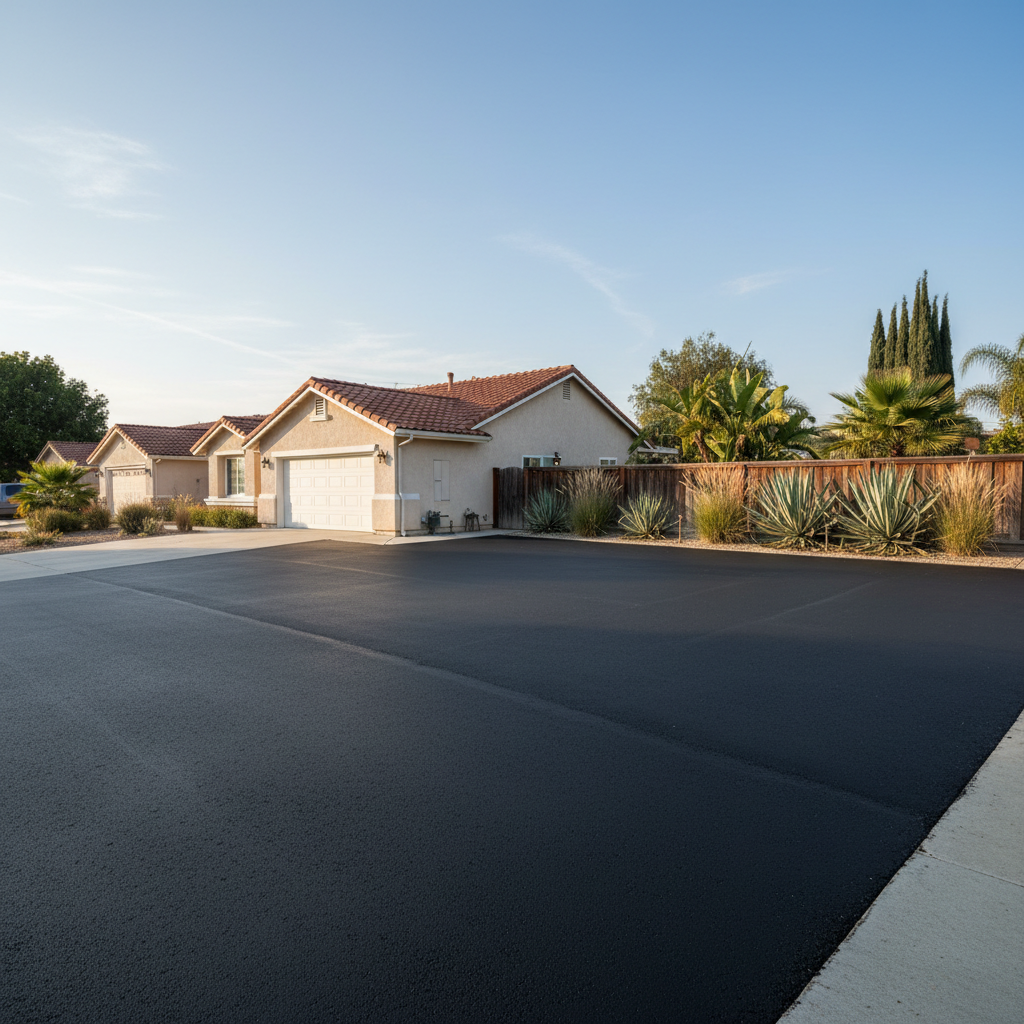
So, you've invested in sealcoating your driveway or parking lot here in Hawthorne. Good for you! It's one of the best things you can do to protect your asphalt from our intense California sun and everyday wear and tear. But getting it done is only half the battle. To really get your money's worth and keep that fresh, black look, you've got to take care of it. Think of it like changing the oil in your car – it's just part of the deal.
Extending the Life of Your Sealcoat
The biggest thing you can do to make your sealcoat last is to give it time to cure properly. I can't stress this enough. After we've applied that fresh coat, you absolutely need to stay off it for at least 24-48 hours, sometimes longer if it's a particularly humid day or if it's been a bit cooler than usual, which isn't often a problem in our neck of the woods. Driving on it too soon is just asking for tire marks and scuffs that'll ruin the finish and compromise the protection.
Once it's cured, try to avoid harsh chemicals or oil spills sitting on it for too long. Sealcoat is tough, but it's not invincible. If you spill something, clean it up quickly. A little dish soap and water usually does the trick. Don't go scrubbing with wire brushes or anything abrasive; you'll just scratch the surface and wear down the sealcoat prematurely.
Regular Maintenance: What You Need to Do
Honestly, regular maintenance for sealcoated asphalt isn't rocket science, but it does require a little attention. Here's what I tell folks:
- Keep it Clean: Sweep off dirt, leaves, and debris regularly. This prevents organic matter from breaking down on the surface and keeps things looking tidy. We get a lot of wind sometimes, especially in the areas closer to the ocean, so debris can pile up fast.
- Watch for Weeds: If you see weeds starting to pop up through cracks, pull 'em. Those roots can cause major damage over time, pushing up through your asphalt and sealcoat. A little weed killer in the cracks can help, but don't spray it all over the sealcoated surface.
- Address Spills Promptly: Like I said before, oil, gas, and other automotive fluids can eat away at asphalt and sealcoat. Clean them up as soon as you notice them.
- Avoid Heavy Point Loads: Try not to park heavy equipment or leave sharp objects on the asphalt for extended periods, especially in the heat. Our Hawthorne summers can get pretty hot, and asphalt softens a bit when it's scorching, making it more susceptible to indentations.
That's really about it for day-to-day stuff. It's mostly common sense, but it makes a huge difference in how long your sealcoat holds up.
Warning Signs You Shouldn't Ignore
Your sealcoat is there to protect your asphalt, and it'll give you clues when it's starting to wear out or if there's a bigger problem brewing underneath. Keep an eye out for these:
- Fading Color: If that rich black color starts to turn gray or dull, it's a clear sign the sealcoat is losing its effectiveness. It's not just cosmetic; it means the protective layer is thinning.
- Minor Cracking: Small, hairline cracks can appear as the sealcoat ages. This is normal to some extent, but if you start seeing a lot of them, or if they're getting wider, it means the sealcoat isn't sealing anymore.
- Potholes or Alligator Cracking: Now, this is a bigger deal. If you're seeing actual potholes or a pattern of interconnected cracks that look like alligator skin, your sealcoat isn't the problem; it's the asphalt underneath. The sealcoat might have helped delay it, but once you see this, you've got structural issues that need more than just a new coat.
- Loose Aggregate: If you're seeing small stones or gravel coming loose from the surface, that's a sign of wear. The binder in the asphalt or the sealcoat itself might be failing.
Don't ignore these signs. Catching them early can save you a lot of headaches and money down the road.
When to Call a Professional
You can handle the sweeping and the spill clean-up, but there are definitely times when you need to pick up the phone. Here's when to give Alpha Asphalt Hawthorne a call:
- When you see those warning signs: Especially if you're noticing significant fading, widespread minor cracking, or any signs of larger asphalt damage like potholes or alligator cracking. We can assess the situation and tell you if it's time for a fresh sealcoat, crack filling, or something more extensive.
- Every 2-3 years for a fresh coat: Even with perfect maintenance, sealcoat isn't permanent. In our climate, with the intense sun and occasional heavy rains, reapplying every 2-3 years is a good general guideline to keep your asphalt fully protected and looking its best. Some folks in high-traffic areas might even do it a bit sooner.
- Before you have major problems: Don't wait until your asphalt is falling apart. Proactive maintenance, including timely sealcoating, is always cheaper than reactive repairs.
- If you're unsure: Hey, that's what we're here for. If you're looking at your driveway or parking lot and just aren't sure what's going on or what to do, give us a shout. We're happy to come take a look and give you an honest assessment.
Taking care of your sealcoated asphalt isn't a huge chore, but it's a necessary one if you want to protect your investment. A little effort goes a long way in keeping your property looking good and preventing costly repairs down the line.