How much does a new asphalt driveway really cost?
Alright, let's get straight to it. This is probably the first thing everyone asks, and for good reason. The truth is, there's no single price tag I can slap on a new asphalt driveway without knowing a few things. It's not like buying a gallon of milk, you know? What I can tell you is what influences the cost. First, size matters – bigger driveway, more material, more labor. Simple as that. Then there's the existing condition: are we just overlaying, or do we need to tear out an old, cracked concrete mess? That demo work adds time and cost. Drainage is another big one; if your yard slopes weirdly or you've got standing water issues, we might need to do some extra grading or put in a drain system, which is an additional expense but totally worth it to protect your investment. Material thickness plays a role too. For a standard residential driveway, we're usually talking about 2-3 inches of compacted asphalt over a good base, but if you're parking heavy RVs or trucks, you might want a thicker layer. Finally, access to your property can affect things. If it's a tight squeeze for our equipment, that can slow us down. Generally, for a typical Hawthorne residential driveway, you're looking at a few thousand dollars, but it really does vary. Always get a detailed quote that breaks down the work.
What's the deal with asphalt cracking? Is it normal, and what can I do about it?
Yep, cracking is pretty normal, especially here in Southern California where we get that intense sun beating down year after year. Asphalt is flexible, but it's not invincible. Think of it like your skin – it dries out and shows wear over time. The main culprits are UV radiation, water seeping into the base, and just plain old wear and tear from vehicles. Our soil conditions around Hawthorne, especially in some of those older neighborhoods near the 105, can be a mix of sand and clay, which can shift a bit with moisture changes, contributing to stress on the pavement. What can you do? Regular maintenance is key. Small cracks, especially hairline ones, can be sealed up pretty easily. That stops water from getting underneath and washing away your base, which is when things really start to go south. Larger cracks might need a bit more attention, like crack filling or even patching. The goal is to keep water out. If you ignore them, those small cracks turn into potholes, and then you're looking at a much bigger, more expensive repair or even a full replacement. Don't wait until it looks like a spiderweb exploded on your driveway.
How long does an asphalt driveway typically last?
With proper care, a new asphalt driveway should give you a good 15 to 20 years, sometimes even more. I've seen some last longer, and I've seen some fall apart faster, and it almost always comes down to how well it was installed and how well it's been maintained. A solid, well-compacted base is absolutely critical – that's the foundation, and if it's not right, nothing else will be. Then, the quality of the asphalt mix itself matters. And after installation, it's all about maintenance. Regular sealcoating every 2-3 years, crack filling, and addressing any drainage issues promptly will drastically extend its life. Think of it like changing the oil in your car; you wouldn't expect it to last without maintenance, right? Same goes for your driveway. Skip the maintenance, and you'll be replacing it a lot sooner.
When should I sealcoat my driveway, and why is it important?
You should plan on sealcoating your new asphalt driveway about 6-12 months after it's installed. That first year lets the asphalt cure fully. After that, I usually recommend sealcoating every 2 to 3 years. Why bother? Sealcoating is like sunscreen for your driveway. It protects the asphalt from the sun's harsh UV rays, which dry out the binders in the asphalt and make it brittle. It also creates a barrier against water, oil, and chemicals that can break down the surface. Plus, it restores that rich, black color, making your driveway look brand new and boosting your home's curb appeal. It's a relatively inexpensive way to protect a much larger investment. Neglect sealcoating, and you'll see your asphalt fade, crack, and deteriorate much faster, leading to costlier repairs down the road. It's preventative medicine for your pavement.
Can I pave over my old concrete driveway with asphalt?
Sometimes, yes, you can, but it's not always the best solution. It really depends on the condition of the existing concrete. If your concrete driveway is mostly sound, with just minor cracks and no major heaving or settling, then an asphalt overlay can be a cost-effective option. We'd clean it thoroughly, fill any significant cracks, and then apply a bonding agent before laying down the asphalt. However, if the concrete is severely cracked, has large sections that have sunk or lifted, or if there are drainage problems, then simply paving over it is just putting a band-aid on a bigger issue. Those underlying problems will eventually telegraph through the new asphalt, meaning the cracks will reappear. In those cases, it's almost always better to tear out the old concrete and start fresh with a proper asphalt base. We'll always assess the situation thoroughly before recommending an overlay, because we want to make sure you get a long-lasting solution, not a temporary fix.
What's the difference between asphalt and concrete, and which is better for my driveway?
This is a classic question, and honestly, both have their pros and cons. Asphalt, what we specialize in here at Alpha Asphalt Hawthorne, is a flexible pavement. It's made from aggregates (like stone and sand) bound together with bitumen, which is a petroleum product. It's generally less expensive to install upfront, and repairs are usually easier and less noticeable – we can patch sections seamlessly. It also handles our temperature fluctuations pretty well because of its flexibility. Concrete, on the other hand, is a rigid pavement made from cement, aggregates, and water. It's typically more expensive to install, but it can last longer if installed correctly and maintained. Repairs to concrete are often more difficult and can leave visible patches. For driveways, asphalt is a popular choice because of its cost-effectiveness, ease of repair, and ability to withstand minor ground movement without cracking as severely as concrete. Plus, it melts snow and ice faster, though that's not exactly a huge concern here in Hawthorne!
How long do I need to stay off my new asphalt driveway?
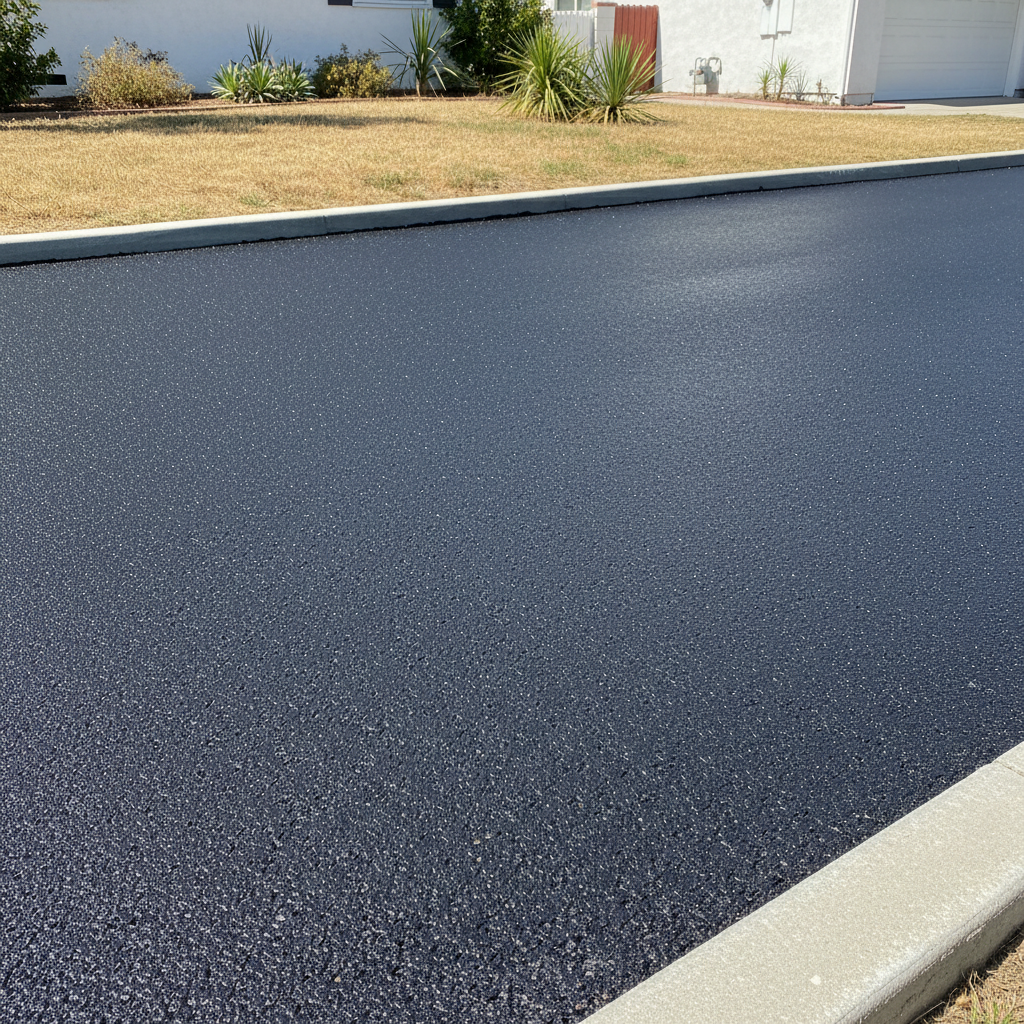
You'll want to stay off it for at least 24 to 48 hours after it's been laid. The asphalt needs time to cool down and compact properly. It might look solid, but it's still curing. If you drive on it too soon, especially heavy vehicles, you can create ruts or tire marks that will be there permanently. For the first week or so, try to avoid parking in the exact same spot every time, and definitely don't turn your steering wheel sharply while the car is stationary on the new pavement – that's a surefire way to scuff or gouge it. It takes a good six months for the asphalt to fully harden and cure, so be a little gentle with it during that initial period. Think of it like a fresh coat of paint; you don't want to touch it until it's completely dry.