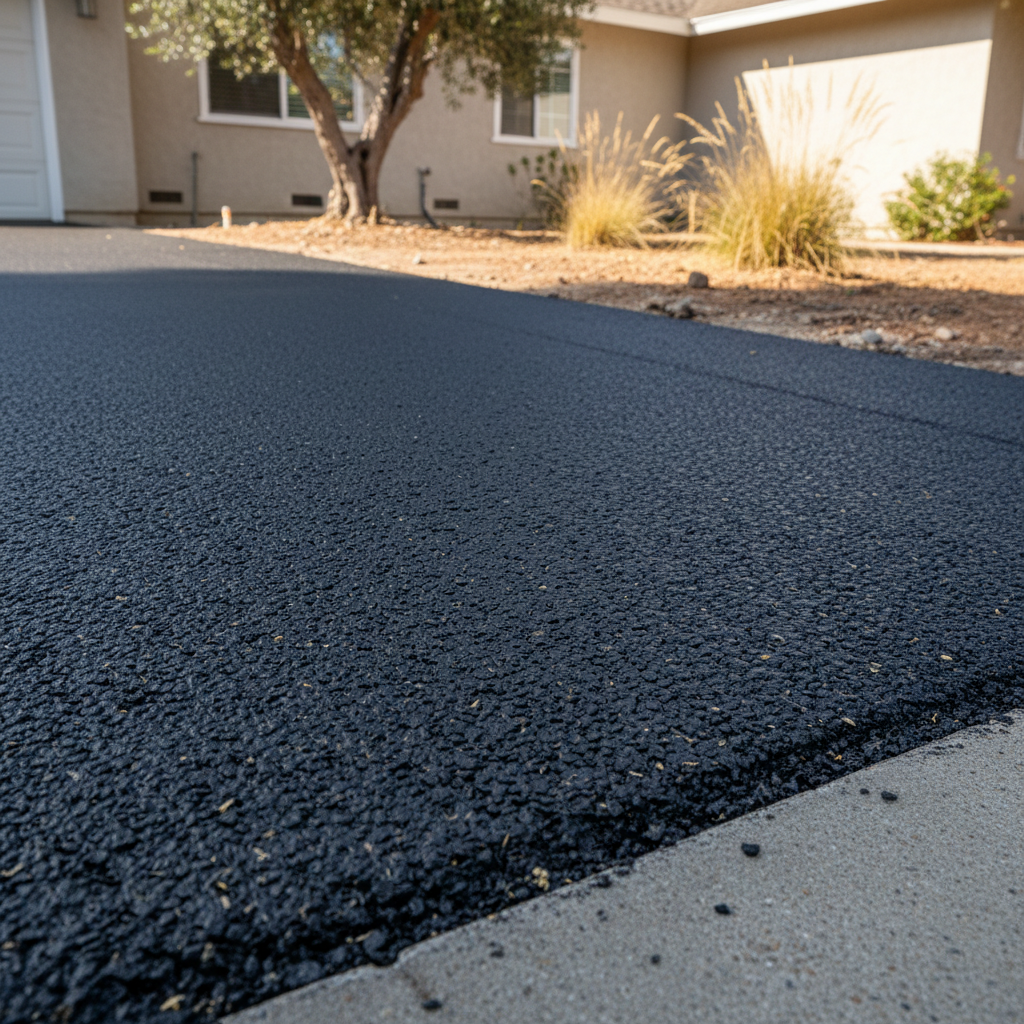
So, you're looking at your driveway and thinking it's time for a change, or maybe it just needs some serious love. Residential asphalt, done right, can really boost your home's curb appeal and function. But what does "done right" even mean? As Alpha Asphalt Hawthorne, we've laid a lot of asphalt around here, from the Hollyglen area to the industrial zones, and I've seen it all. Let's break down what you need to know.
Before You Start: Planning and Preparation
First off, don't jump into this blind. A good asphalt project starts long before any heavy machinery rolls onto your property. You need to figure out what you actually need. Is it a full tear-out and replace? Or maybe just an overlay to smooth things out? That's the first big question.
If your driveway is cracked like a spiderweb, got potholes big enough to swallow a small dog, or has drainage issues that turn it into a pond every time it rains, you're probably looking at a full replacement. You can't just pave over major structural problems and expect them to go away. They'll come right back, sometimes worse.
On the other hand, if your asphalt is mostly sound but just looks faded, has some minor cracks, or a few small depressions, an overlay might be an option. This is basically adding a new layer of asphalt on top of the old one. It's cheaper, but it's only a temporary fix if the underlying issues aren't addressed.
What can you do yourself here? You can definitely clear the area. Move those old planters, get rid of any debris, trim back bushes that are hanging over the edge. You can also mark out where you want the new driveway to go, or where you want the repairs to stop. But when it comes to assessing the sub-base, figuring out drainage, or deciding on the right asphalt mix for our Hawthorne soil – which can get pretty compacted and clay-like in some spots – that's where you need a pro. We know what kind of base material works best to prevent future cracking and settling, especially with our local weather patterns.
During the Project: What to Expect
Okay, you've decided on the scope, maybe even hired Alpha Asphalt Hawthorne (good choice!). What's next? This is where the real work happens, and honestly, this is almost entirely a job for the pros. You're not going to be running a paver or a roller, trust me.
A typical asphalt installation goes something like this:
- Excavation and Grading: We'll dig out the old stuff, or just prep the existing surface. This is crucial for drainage. We're making sure water runs off your driveway, not into your garage or pooling up.
- Base Layer: This is the backbone of your driveway. We'll lay down and compact a layer of aggregate. Think of it like the foundation for your house. If this isn't solid, your asphalt won't last.
- Asphalt Application: Hot asphalt gets laid down and then compacted with heavy rollers. This needs to be done quickly and expertly to get a smooth, durable surface.
- Edging and Finishing: We'll make sure the edges are neat and tidy, and the whole surface is smooth and even.
Your role during this? Mostly staying out of the way and letting the crew work. You might need to move cars, or make sure pets are secured. If you have any questions, ask the foreman on site. Don't try to direct the crew yourself; that's what the foreman is for.
After the Project: Care and Maintenance
The job's done, and you've got a beautiful, smooth new driveway. Now what? The first thing is patience. Don't drive on it right away. We'll tell you exactly how long to wait, but typically it's at least 24-48 hours, sometimes longer if it's really hot out. Asphalt needs to cure and harden.
Once it's ready for traffic, there are still a few things you can do to keep it looking good and lasting longer:
- Avoid Heavy Loads: Try not to park heavy RVs or commercial trucks on your brand new asphalt for a while. Give it time to fully settle.
- Sealcoating: This is huge for extending the life of your driveway. Sealcoating protects the asphalt from UV rays, water, and oil spills. I usually recommend getting it done within the first year or two, and then every 2-3 years after that. It's like sunscreen for your driveway. You can buy sealcoat at hardware stores, but applying it evenly and correctly is harder than it looks. For a professional finish that lasts, you'll want to call us.
- Crack Sealing: Small cracks will inevitably appear over time. Don't let them grow. Seal them up as soon as you see them. Water is asphalt's worst enemy; it gets into cracks, freezes, expands, and then you've got bigger problems. This is something you can do yourself with a good quality crack filler from the hardware store. Just make sure the crack is clean and dry before you apply it.
- Clean Spills: Oil, gas, and other chemicals can break down asphalt. Clean them up quickly.
Look, a well-maintained asphalt driveway can last 15-20 years, even longer. But it takes a little bit of care. You wouldn't buy a new car and never change the oil, right? Same principle. If you're ever unsure, or if a problem looks bigger than a DIY fix, just give us a call at Alpha Asphalt Hawthorne. We're always happy to come out and take a look.